
August 4, 2025 | Blogs and News, Research
By Joy Allen, PhD, MT-BC
Founding Director, Music and Health Institute
Chair, Music Therapy Department
Berklee College of Music
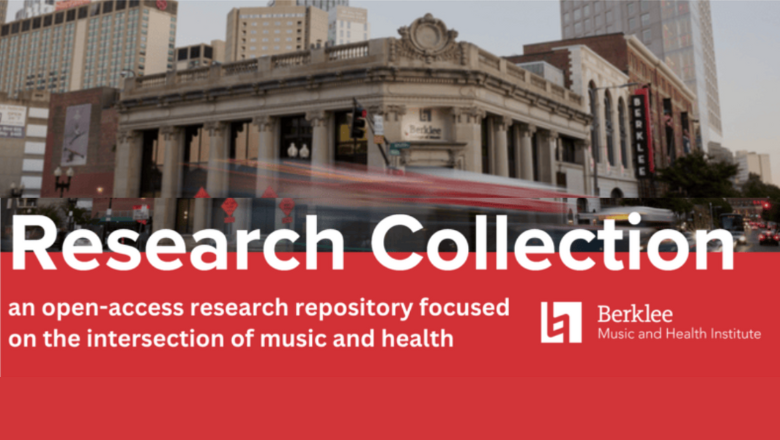
Bringing Research to Life: As the curator of Berklee’s Music and Health Research Repository, I’ve always believed that research shouldn’t stay locked in academic journals—it should serve people. Whether you’re a Music Therapist supporting a child through treatment, a parent seeking meaningful ways to comfort your teen, or a hospital CEO evaluating integrative care strategies, the evidence behind music’s healing potential should be clear, credible, and easy to access.
That’s why our collaboration with the Children’s Music Fund (CMF) is so important. CMF has long led the charge in making Music Therapy available to children and young adults living with chronic and life-altering health conditions. Your team understands how music can bring calm, connection, empowerment, and joy during times of stress and uncertainty. This collaboration ensures that the care you provide is grounded in the latest research—and that this research is accessible and usable across clinical, community, and family settings.
Why Making Research Accessible Matters
Too often, valuable research sits behind paywalls or is written in technical language that makes it difficult to apply. That gap between research and real-world practice limits the reach of ideas that could transform lives. We built the Berklee Music and Health Research Repository to change that.
This open-access, globally accessible resource is designed with usability at its core. Whether you’re a caregiver researching ways to support your child through long-term treatment, a clinician applying for program funding, or a nonprofit leader building community partnership, the repository offers an intuitive way to find and use what matters most. Our custom taxonomy allows users to search by age group, diagnosis, intervention type, setting, health outcome, and more.
And importantly, it’s not limited to Berklee or U.S.-based research. The repository draws from a global network of peer-reviewed studies, ensuring diverse cultural contexts, inclusive populations, and a broad spectrum of music-based approaches. Because health equity and knowledge equity go hand in hand, we made the repository freely accessible—so that anyone, anywhere in the world, can use it.
Real Research, Real Impact: Supporting Children with Chronic Illness
The repository includes hundreds of studies that directly support CMF’s work with children and young adults navigating chronic medical conditions. These studies provide both validation and inspiration for the work you do every day. For example:
- Pain and symptom management: Studies show that children engaging in music therapy—through listening, improvisation, songwriting, or guided imagery—report lower pain levels, decreased anxiety, improved mood, and increased relaxation during procedures or recovery.
- Psychosocial support and peer connection: Research on music-based support groups shows that these sessions improve communication, strengthen emotional expression, and reduce feelings of isolation—especially important for children, teens, and young adults managing invisible or long-term illnesses.
- Coping and self-efficacy: Music interventions help children and adolescents become active participants in their care, giving them tools to cope with the emotional weight of chronic conditions and regain a sense of agency during otherwise overwhelming times.
- Family-centered outcomes: Music can also support caregivers, enhance communication within families, and create shared moments of hope and creativity during hospital stays and at home.
- Holistic care models: The research reinforces what CMF already knows—music therapy is not only clinically effective, but also essential to whole-person, culturally responsive, and trauma-informed care.
How to Use the Repository
Your gateway to evidence-based music and health research—designed for real-world use
| Step | What to Do | Why It Helps |
| 1. Visit the Repository | Berklee Music and Health Repository | Access hundreds of curated, peer-reviewed studies—free and open to all. |
| 2. Search by What You Need | Use filters by age, diagnosis, setting, outcomes, intervention type, and more | Find studies relevant to children, teens, young adults (0–26), chronic illness, emotional support, etc. |
| 3. Explore Keywords | Try terms like “pain management,” “pediatric support,” “songwriting,” “resilience,” “family-centered care” | Refine results to match CMF’s focus areas or specific program needs. |
| 4. Review Study Summaries | Each entry includes citation, abstract, intervention type, and population served | Quickly assess if a study supports your program goals, grant writing or training. |
| 5. Apply What You Learn | Use insights for program design, funding proposals, caregiver education, and more | Ground your work in trusted evidence—and share it with families, donors, and partners. |
Bookmark your favorite studies or themes and check back often—new research is added regularly.
Need help curating a custom research collection for a CMF initiative? We’d be happy to assist.
From Insight to Action
The repository is a foundation—but our collaboration with CMF is about translation. We’re now working together to:
- Create public-facing research briefs—clear, accessible summaries that help caregivers, clinicians, and stakeholders understand and apply findings.
- Develop practical toolkits for music therapists and community musicians, educators, and caregivers that span from clinical to therapeutic use.
- Co-design new research efforts to elevate underrepresented youth populations and ensure that future studies reflect the lived experiences of the children CMF serves.
Why This Collaboration Matters
CMF ensures that music reaches young people who need it most—regardless of diagnosis, background, or ability to pay. At Berklee, we’re ensuring that the research behind that care is freely available, globally accessible, and easy to use.
Together, we are bridging the gap between research and reality. We’re showing what’s possible when scholarship is designed for impact—and when music is embraced not just as an art form, but as a powerful tool for health, hope, and healing.